Professional Restaurant Menu Design with Editable Templates
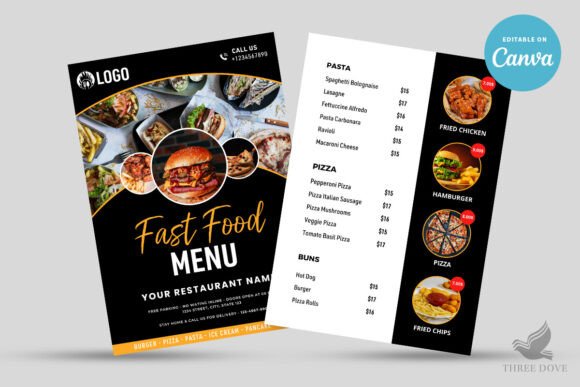
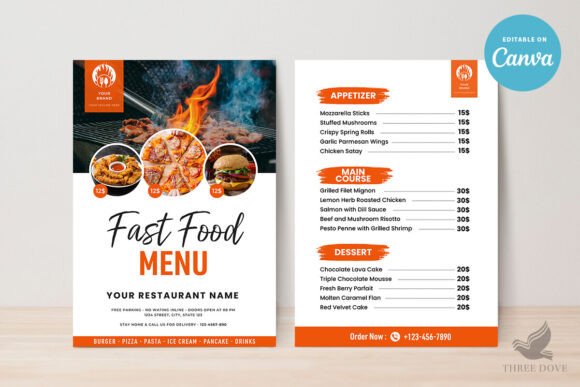
In today’s competitive hospitality industry, visual design plays a crucial role in shaping customer perception and brand identity. A well-crafted Editable Restaurant Menu Template offers designers and business owners a powerful tool to create visually compelling, brand-aligned menus without the need for advanced design software. Whether you're designing for a fine dining establishment or a casual café, a customizable Canva-based template provides the flexibility and creative control needed to elevate your visual communication strategy.
Why Designers and Business Owners Need an Editable Restaurant Menu Template
Graphic design professionals and entrepreneurs alike are increasingly turning to digital templates for their branding and print needs. The Restaurant Menu Template in Canva is especially valuable because it eliminates the need for specialized software like Adobe Illustrator or Photoshop. This accessibility allows for real-time editing across devices, making it ideal for quick revisions and collaborative design workflows. Designers can easily integrate brand assets such as logos, color palettes, and typography to ensure visual consistency across all customer touchpoints.
Customization for Brand Consistency and Visual Hierarchy
One of the most compelling features of the Canva-based Editable Restaurant Menu Template is the ability to tailor every visual element to match a brand’s identity. From adjusting font styles and sizes to modifying color schemes and layout structures, the template empowers users to create a cohesive and professional menu design. This level of customization supports strong brand identity and enhances user experience by reinforcing visual hierarchy—guiding the reader’s eye through the menu with deliberate design choices.
- Edit all text for wording, font, size, and placement
- Adjust artwork size and positioning
- Customize or replace background colors
- Upload your own logo or images
- Add a back side or additional pages
Applications Beyond the Menu: Expanding Design Utility
While the primary function of this template is menu design, its versatility makes it a valuable asset for broader creative projects. Marketers can repurpose design elements for social media graphics, email campaigns, or website banners. Designers working on packaging, editorial layouts, or advertising materials can use the same visual language to maintain a unified brand presence across multiple platforms. This cross-application utility enhances workflow efficiency and ensures a consistent brand narrative.
Practical Design Tips for Optimal Results
When working with the Editable Restaurant Menu Template, it’s essential to prioritize readability and visual balance. Choose fonts that reflect the restaurant’s personality while ensuring legibility. Maintain a clear visual hierarchy by using font size and weight to distinguish categories, dishes, and descriptions. Color choices should align with the brand’s existing palette and evoke the right emotional response from diners. Always preview the design across devices and test print samples to ensure alignment, color accuracy, and overall presentation quality.
- Select fonts that reflect brand personality and ensure readability
- Use visual hierarchy to guide the reader through the menu
- Align colors with brand identity and emotional tone
- Test print samples to verify color and layout accuracy
- Review all text and design elements before finalizing
Final Thoughts: Elevating Design Through Smart Templates
Whether you're a designer creating for clients or a restaurateur managing your own brand, the right creative assets can make a significant difference. The Editable Restaurant Menu Template exemplifies how modern design tools empower users to produce professional, brand-aligned content efficiently. By leveraging these templates within a broader design strategy, you can enhance communication, streamline workflows, and deliver visually engaging experiences that resonate with your audience. Thoughtful design choices not only improve aesthetics but also strengthen brand credibility and customer engagement—making every detail count in the world of visual storytelling.