Evaluating Cherry Knot Alphabet- U for Machine Embroidery Projects
Selecting the appropriate typography is one of the most critical decisions in machine embroidery digitizing and design. The font chosen dictates not only the aesthetic tone of the finished piece but also the technical success of the stitching process. Cherry Knot Alphabet- U represents a specific category of decorative lettering designed to bridge the gap between ornate script and functional legibility. For embroiderers evaluating this design for monograms, personalization, or decorative text, understanding its technical characteristics and practical applications is essential for determining if it aligns with current project requirements.
Defining the Design Characteristics
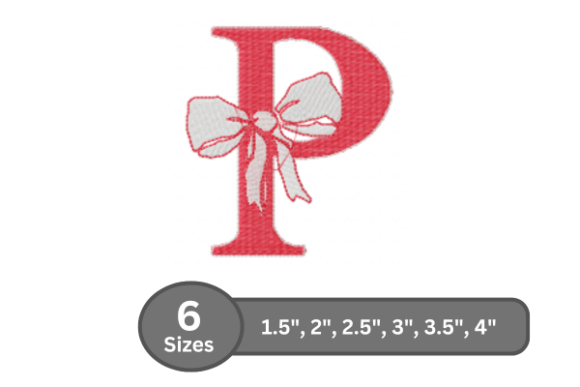
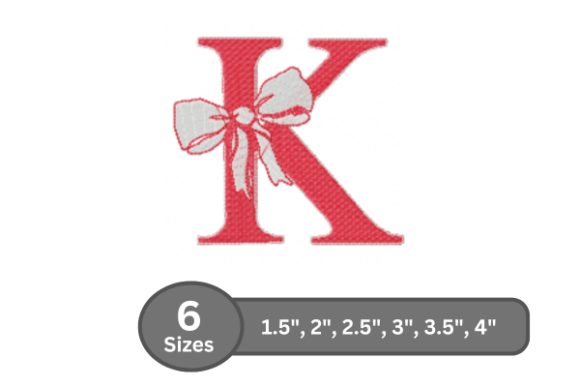
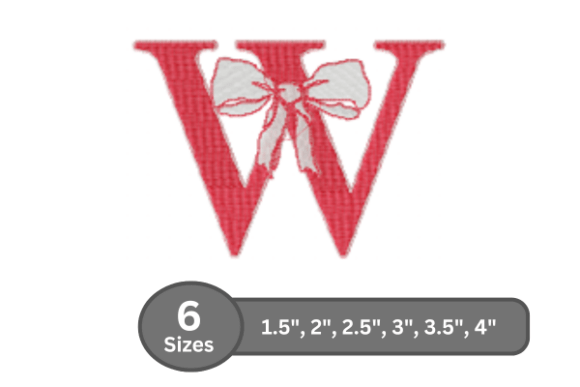
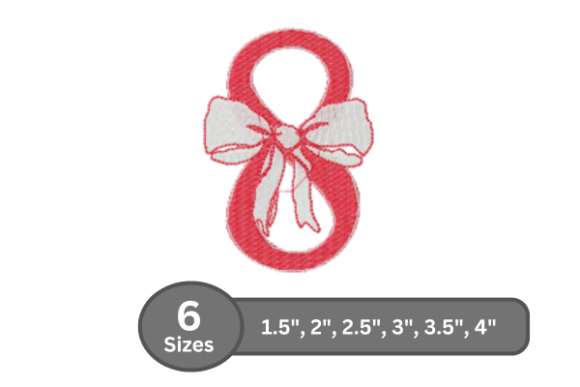
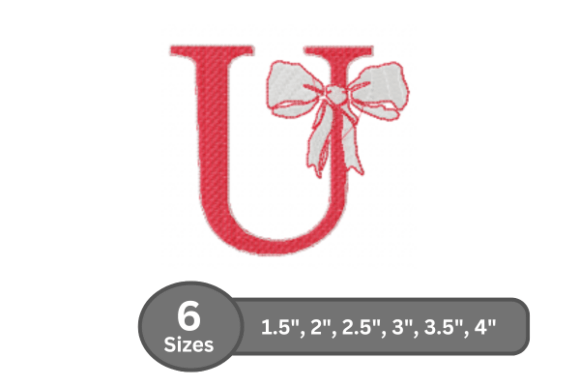
Cherry Knot Alphabet- U is a machine embroidery design featuring the letter U in a stylized, stitched font. Unlike standard system fonts converted automatically to stitches, this design has been specifically digitized for embroidery machines. It features satin stitch coverage with smooth curves, intended to replicate the look of hand-stitched calligraphy while maintaining the structural integrity required for automated production. The "Cherry Knot" nomenclature suggests a design language that incorporates rounded terminals and interconnected flourishes, distinguishing it from rigid block letters or overly complex baroque scripts.
The design is available in multiple sizes, which is a significant technical consideration. In machine embroidery, resizing a satin stitch column beyond 30-40% can lead to thread breaks, registration issues, or loss of coverage. Having pre-digitized size variations ensures that the stitch density and underlay remain optimized for each specific dimension, preserving the crispness of the letter U regardless of whether it is being applied to a small cuff or a large tote bag.
Primary Applications and Use Cases
Evaluators should consider where Cherry Knot Alphabet- U performs best within a production workflow. Its stylistic balance makes it particularly suitable for specific niches:
- Traditional Monogramming: The letter’s structure allows it to function effectively as a central initial in three-letter monograms or as a standalone marker. The decorative elements add formality without sacrificing readability, making it appropriate for wedding linens, christening gowns, and heirloom gifts.
- Personalized Apparel: On garments such as polo shirts, denim jackets, or sweatshirts, this font provides a custom, boutique appearance. The satin coverage creates a raised texture that contrasts well against knit and woven fabrics, offering a premium feel compared to direct-to-garment printing.
- Home Décor and Linens: Towels, pillowcases, and table runners often require lettering that complements domestic aesthetics. The soft curves of the Cherry Knot style integrate naturally into household textiles without appearing too industrial or stark.
- Bags and Accessories: For canvas totes, cosmetic pouches, and backpacks, the design offers sufficient visual weight to be seen at a distance while retaining enough detail to look refined up close.
Technical Benefits and Performance Expectations
From a production standpoint, the primary benefit of using a professionally digitized letter like Cherry Knot Alphabet- U is stitch reliability. Automated font software often generates inefficient stitch paths or inadequate underlay when dealing with curved serifs and knots. This design addresses those common failure points through careful digitization.
Clean Satin Coverage: Satin stitches are prone to gaps if the density is miscalculated. This design utilizes proper compensation techniques to ensure the fabric grain does not distort the letter shape during stitching. Users can expect consistent edge definition, which reduces the need for post-production trimming or touch-up work.
Smooth Curves and Registration: Complex letters with loops require precise entry and exit points. Poorly digitized curves result in jagged edges or puckering. The optimization in this design facilitates smoother needle transitions, reducing thread trims and improving overall cycle time efficiency.
Versatility Across Fabrics: While no single design works perfectly on every material, the inclusion of multiple sizes implies adaptability. Smaller versions typically feature adjusted densities for lightweight fabrics, while larger versions maintain stability on heavier substrates.
Tradeoffs and Practical Considerations
Despite its advantages, Cherry Knot Alphabet- U presents specific limitations that must be weighed during the selection process. Objective evaluation requires acknowledging where this design may underperform.
Fabric Compatibility Constraints: Satin-based decorative fonts generally struggle on high-pile fabrics like terry cloth or fleece without additional stabilization or topping. While the digitization is clean, the physical nature of satin stitches means they can sink into plush textures. Evaluators working exclusively with towels or blankets should verify if the design includes adequate underlay for high-pile applications or if a separate topping strategy is necessary.
Legibility at Small Scales: Decorative elements, such as the knot details and serifs, consume stitch real estate. When scaled down to the lower end of the available size range, these embellishments may merge, reducing clarity. If the project requires extremely small text (under 0.5 inches), a simpler running stitch or micro-satin font may be a more pragmatic choice.
Stitch Count and Production Time: Ornate satin letters inherently have higher stitch counts than minimalist block fonts. For commercial environments prioritizing speed over ornamentation, this design may increase per-unit production time. Users should calculate the stitch count relative to their hourly output goals before committing to this style for bulk orders.
Style Specificity: The "Cherry Knot" aesthetic is distinctly feminine and traditional. It may clash with modern, minimalist, or masculine branding projects. Evaluators must ensure the typographic voice matches the end recipient's preferences or the brand identity guidelines.
Comparing Alternatives and Decision Criteria
Determining whether Cherry Knot Alphabet- U is the correct asset involves comparing it against other typographic options in your library.
Choose Cherry Knot Alphabet- U when:
- The project demands a handcrafted, artisanal look rather than a corporate or utilitarian appearance.
- You require a standalone decorative initial rather than a full word set in a uniform baseline.
- The target fabric is stable enough to support satin columns without excessive distortion.
- You lack the time or expertise to manually re-digitize a script font for optimal stitch performance.
Consider alternatives when:
- Readability is paramount: If the text must be read quickly from a distance (e.g., team uniforms, safety gear), a bold sans-serif block font is superior.
- Working with stretchy knits: Extensive satin coverage can restrict fabric stretch. A fill-stitch or running-stitch alphabet may prevent garment distortion.
- Budgeting for high-volume runs: If stitch count directly impacts profitability, test a lighter-weight font first.
- Matching existing typography: If the letter U must match a specific brand font exactly, custom digitizing may be required rather than using a pre-made decorative asset.
Making an Informed Selection
Ultimately, the decision to utilize Cherry Knot Alphabet- U should be based on a synthesis of aesthetic goals and technical realities. It serves as a robust solution for projects requiring elegant, personalized lettering with reliable stitch-out quality. By providing multiple sizes and professional digitization, it mitigates many common risks associated with decorative embroidery fonts.
However, successful implementation depends on matching the design to the appropriate substrate and use case. Evaluators are encouraged to run a test stitch on the actual project fabric before full production. This step verifies that the satin coverage interacts correctly with the material and that the decorative elements remain distinct at the chosen size. When applied within its optimal parameters, Cherry Knot Alphabet- U offers a valuable combination of artistic flair and manufacturing consistency for the discerning embroiderer.