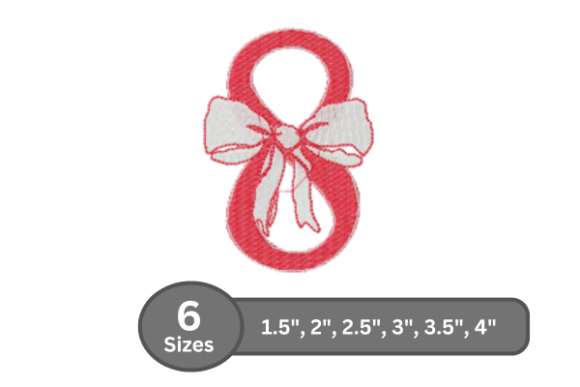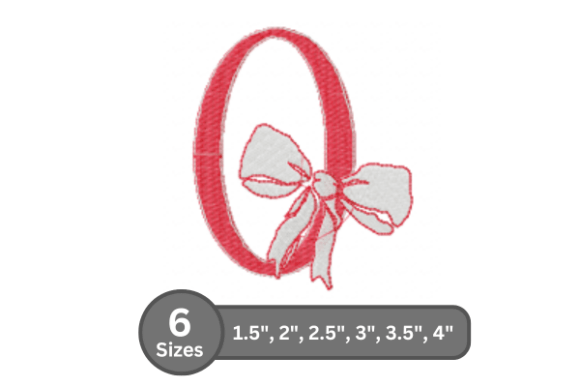
Cherry Knot Number - 0: Elevating Machine Embroidery with Stylish Stitched Typography
The Role of Specialized Digitization in Modern Textile Art
In the expansive world of machine embroidery, the distinction between a standard font and a purpose-built embroidery design is often the difference between a mediocre project and a professional masterpiece. While many operators attempt to convert standard TrueType or OpenType fonts into stitch files using automated software, the results frequently lack the structural integrity required for high-quality textile work. This is where specialized designs like Cherry Knot Number - 0 demonstrate their true value. Unlike auto-digitized text that may suffer from puckering, poor registration, or excessive jump stitches, this design represents a meticulously crafted approach to alphanumeric embroidery.
The "Cherry Knot" aesthetic implies a specific stylistic choice—likely one involving rounded terminals, decorative flourishes, or a satin-stitch density that mimics the smoothness of knotted thread. When applied to the numeral zero, this style serves as more than just a placeholder for quantity; it becomes a graphical element capable of anchoring monograms, dates, and technical markings. Understanding the technical composition of such a design is essential for creators who demand consistency across various substrates, from delicate linens to heavy-duty canvas.
Anatomy of a High-Quality Embroidered Numeral
To appreciate the utility of this stylish stitched font, one must understand what occurs beneath the needle. A digitized zero is not merely an outline filled with stitches; it is a complex map of thread paths engineered to maintain fabric stability. In the Cherry Knot Number - 0 design, careful attention has been paid to satin coverage. Satin stitches are the hallmark of premium lettering because they reflect light uniformly, creating a lustrous appearance that printed ink cannot replicate. However, satin stitches are also prone to pulling the fabric if not properly underlaid.
This design incorporates strategic underlay stitching, which acts as a foundation to stabilize the material before the decorative top stitches are laid down. For a numeral with curves like the zero, the underlay prevents the fabric from distorting inward or outward during the sewing process. Furthermore, the digitization ensures smooth curves without jagged edges, a common failure point in lower-quality files. The transition points where the stitch direction changes are calculated to minimize bulk, ensuring that the final embroidered zero lies flat against the garment or home décor item rather than creating an uncomfortable ridge.
Versatile Applications Across Creative and Commercial Sectors
The versatility of a standalone, stylishly digitized numeral extends far beyond simple counting. Because Cherry Knot Number - 0 comes in multiple sizes, it bridges the gap between micro-detailing and bold statement pieces. This scalability allows professionals and hobbyists to deploy the same visual language across vastly different projects while maintaining brand consistency or aesthetic harmony.
Personalization and Monogramming
In the realm of custom apparel and gifts, numerals carry significant emotional weight. They represent birth years, anniversaries, sports jersey numbers, and ages. When integrating a number into a monogram, the typography must match the elegance of the accompanying letters. A blocky, utilitarian zero would clash with a flowing script initial, whereas the Cherry Knot style offers a complementary curvature that enhances the overall composition. For example, when embroidering a wedding date on a ring bearer’s pillow or a couple’s robe set, the decorative nature of this zero transforms a piece of data into a romantic motif.
Home Décor and Linens
Towels, napkins, and throw pillows present unique challenges for embroidery due to their pile or weave texture. Standard fonts often get lost in terry cloth or linen weaves. The robust satin coverage found in this stylish stitched font ensures legibility even on textured surfaces. In home décor, the zero can be used creatively to denote table settings (e.g., "Table 10"), organize storage bins with elegant labeling, or add a vintage touch to kitchen textiles. The ability to select appropriate sizes means the digitizer can choose a larger format for bath towels to ensure visibility from a distance, or a compact version for cocktail napkins where space is at a premium.
Commercial Branding and Retail
For business owners and merchandise creators, typography is a key component of brand identity. Using a distinctive embroidered font for numbering limited edition items, pricing tags, or staff uniforms adds a tactile dimension to branding that print lacks. The clean, crisp stitching of Cherry Knot Number - 0 signals quality craftsmanship to the consumer. If a business sells personalized bags or caps, offering this specific font style as an option can differentiate their product catalog from competitors relying on generic machine fonts. The professional finish reduces perceived risk for customers investing in customized goods.
Technical Considerations for Optimal Stitch-Out Results
Even the most perfectly digitized file requires proper execution at the machine level. Achieving the intended look of the Cherry Knot Number - 0 involves understanding the relationship between the digital file and physical variables. Operators should consider several factors to maximize the potential of this design.
- Stabilizer Selection: The weight of the stabilizer must match both the fabric and the density of the satin stitches. For lightweight fabrics, a tear-away might cause distortion upon removal; a cut-away or water-soluble topping may be necessary to support the smooth curves of the zero without damaging the surrounding material.
- Thread Tension Management: Satin stitches require balanced tension to prevent bobbin thread from showing on the top surface. Because this design relies on smooth coverage for its stylish appearance, operators should test tension on a scrap piece of the actual project fabric before running the final production piece.
- Needle Choice: The sharpness and size of the needle affect how cleanly the design penetrates the fabric. For tightly woven materials used in bags or structured garments, a sharper needle prevents deflection. For knits, a ballpoint needle is essential to avoid cutting fibers, which could compromise the integrity of the embroidered numeral over time.
- Hooping Technique: Proper hooping is non-negotiable for maintaining the geometric accuracy of a zero. If the fabric is hooped too loosely, the numeral may appear elongated or skewed. If too tight, it may pucker. Using adhesive sprays or temporary basting stitches within the hoop can provide additional security for slippery or stretchy fabrics.
Creative Integration and Design Workflow
Incorporating Cherry Knot Number - 0 into a broader design workflow requires thoughtful placement and combination. Since this is a standalone letter/numeral design, it offers modular flexibility that pre-set font files sometimes restrict. Designers can manipulate individual instances of the zero independently, adjusting rotation or spacing to fit irregular areas on a product.
When combining this numeral with other alphabetic characters from the same collection, attention to baseline alignment is crucial. Stylish stitched fonts often have varying baselines to create a dynamic, hand-lettered feel. When composing a word or date, users should visually align the elements rather than relying solely on software grid lines. This manual adjustment ensures that the organic flow of the Cherry Knot style is preserved. Additionally, considering the negative space within the zero is important; depending on the size selected, this open area can sometimes accommodate small embellishments like flowers, stars, or hearts, further enhancing the personalization aspect.
For educators and researchers studying textile arts or digital fabrication, this design serves as an excellent case study in functional aesthetics. It demonstrates how digital constraints (stitch length limits, pull compensation) are resolved through artistic interpretation. Analyzing the stitch file reveals decisions made by the digitizer to balance beauty with mechanical feasibility, providing insight into the intersection of traditional craft and modern technology.
Maintaining Quality Over Time
The longevity of an embroidered design depends on both the initial digitization quality and subsequent care. The dense satin structure of Cherry Knot Number - 0 is designed to withstand washing and wear better than sparse fill stitches, provided the correct thread type is used. Polyester threads offer superior colorfastness and abrasion resistance for items like towels and children's clothing, while rayon provides higher sheen for decorative pieces that will see less friction. Users should advise end-clients to wash embroidered items inside out in cool water to protect the raised texture of the stitched numeral. Avoiding direct heat from irons on the face of the embroidery preserves the three-dimensional quality of the satin stitches. By treating the embroidery as a structural part of the textile rather than a surface application, creators ensure that the stylish impact of the design endures through years of use.