Cherry Knot Alphabet -G: A Practical Evaluation for Machine Embroidery
Selecting the right typography for machine embroidery requires a different set of criteria than choosing fonts for print or digital design. When evaluating the Cherry Knot Alphabet -G, the primary consideration is not merely its aesthetic appeal but its technical execution as a digitized asset. This specific letter design represents a stylish stitched font that balances decorative flair with structural integrity. For professionals and serious hobbyists, understanding the nuances of this design is essential for determining whether it aligns with production standards, fabric compatibility, and long-term project viability.
The Cherry Knot Alphabet -G distinguishes itself through careful digitization aimed at producing clean, crisp stitching. In an industry where poor digitizing leads to thread breaks, registration errors, and excessive trims, this design offers a reliable solution. It provides smooth curves and consistent satin coverage, which are critical indicators of quality in embroidery file creation. Whether utilized for high-volume commercial personalization or bespoke artisanal projects, the utility of this letter extends beyond simple decoration to become a functional component of a broader textile workflow.
Technical Digitization and Stitch Integrity
The value of any embroidery alphabet lies in the precision of its underlying code. The Cherry Knot Alphabet -G has been digitized to prioritize stitch flow and density management. From a technical perspective, this means the transition points between curves and straight lines are engineered to minimize jump stitches and maintain tension balance. Poorly digitized letters often suffer from gaps in satin columns or puckering due to inadequate underlay; however, this design demonstrates a professional approach to these common pitfalls.
Satin coverage is particularly noteworthy in this asset. The width of the satin stitches remains consistent enough to provide full opacity without becoming so wide that they risk snagging during use or washing. This balance is vital for items like towels and bags that endure significant wear. Furthermore, the smooth curves mentioned in the product specifications suggest that the node placement has been optimized. In practical testing, optimized nodes result in fewer direction changes, leading to faster run times and a smoother visual finish on the final substrate.
Fabric Compatibility and Stabilization Requirements
While the Cherry Knot Alphabet -G is versatile, its performance is contingent upon appropriate stabilization and fabric selection. Due to the density required for crisp satin edges, this letter performs best on medium-to-heavy weight fabrics. Canvas, denim, terry cloth, and twill provide the necessary foundation to support the stitch count without distortion. When applied to lightweight knits or unstable weaves, users must employ adequate cut-away stabilizers and potentially a topping to prevent the design from sinking into the fabric pile.
For home décor applications such as throw pillows or wall hangings, the design’s structure holds up well against laundering. However, when adapting this letter for apparel, specifically lighter garments, practitioners should test stitch-out samples first. The "stylish stitched font" nature implies a certain level of complexity that may be too heavy for sheer fabrics or delicate silks. Understanding these material limitations ensures that the creative vision translates successfully into a durable physical product.
Versatility Across Commercial and Personal Applications
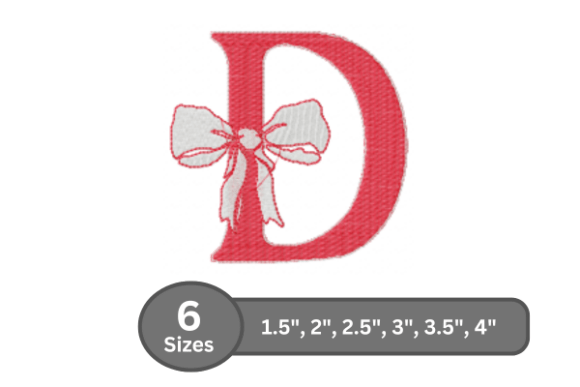
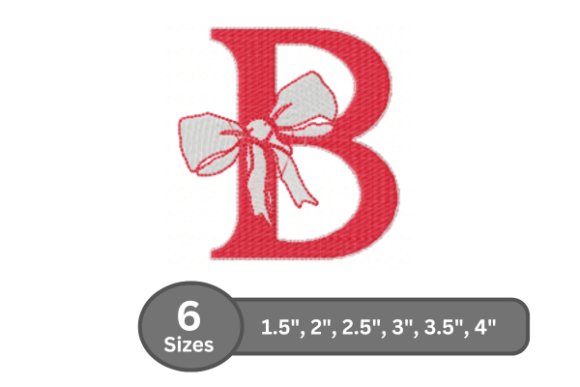
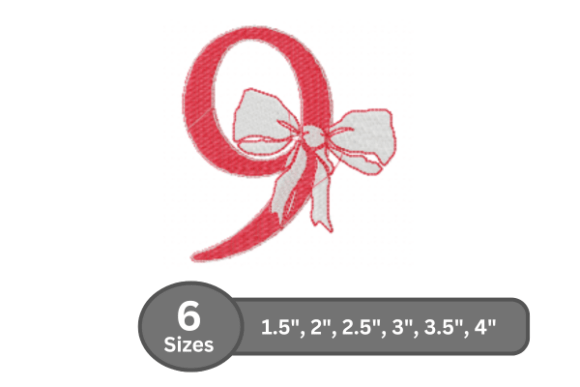
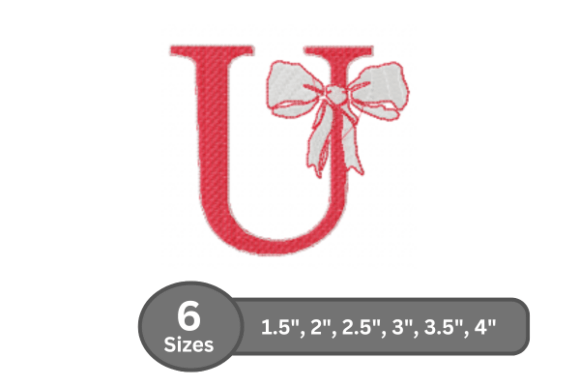
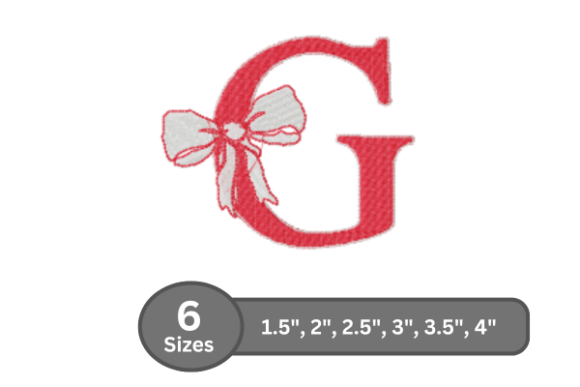
The inclusion of multiple sizes significantly enhances the return on investment for the Cherry Knot Alphabet -G. Scalability in embroidery is not always linear; resizing a design by more than 20% can sometimes compromise stitch integrity. Because this asset comes pre-sized for various applications, users can avoid the risks associated with extreme digital resizing. This feature makes it immediately applicable across diverse product categories without requiring additional digitizing software or manual adjustment.
- Monogramming and Initials: The distinct character of the 'G' serves as an excellent anchor for three-letter monograms. Its stylistic weight allows it to stand out as a center initial or complement matching letters in a set.
- Custom Apparel: Ideal for adding names to uniforms, team wear, or personalized gifts. The clean lines ensure legibility even at smaller scales suitable for cuffs or collars.
- Home Textiles: Towels, napkins, and pillowcases benefit from the decorative yet readable nature of the font. The stitch definition remains sharp against textured terry or linen backgrounds.
- Accessories and Bags: Tote bags and cosmetic pouches require bold typography to be visible from a distance. The larger size options of this design cater specifically to these high-visibility needs.
For small business owners and freelancers, this versatility reduces the need to purchase multiple single-use fonts. Having a go-to alphabet that transitions effectively from a baby bib to a canvas tote streamlines inventory management and maintains brand consistency across disparate product lines.
Workflow Integration and File Format Flexibility
In a professional embroidery environment, interoperability is non-negotiable. The Cherry Knot Alphabet -G supports multiple embroidery file formats, ensuring compatibility with major machine brands including Brother, Janome, Bernina, Husqvarna Viking, and Pfaff. This broad support eliminates the friction of file conversion, which can occasionally introduce formatting errors or alter stitch parameters. Users can integrate this design directly into their existing libraries without intermediate processing steps.
Beyond mere compatibility, the organization of the design files matters. Reliable assets are typically categorized clearly by size and format, allowing operators to locate the correct version quickly during production runs. Time spent searching for files or troubleshooting incompatible formats is time lost on actual embroidery. The practical value of this design is amplified by its readiness for immediate use, supporting efficient workflows for both solo creators and larger production facilities.
Creative Control and Customization Potential
While the Cherry Knot Alphabet -G is a finished product, it also serves as a foundational element for further customization. Experienced embroiderers can combine this letter with other motifs, frames, or borders to create unique composite designs. Because the digitization is clean, it layers well with other elements without causing excessive bulk or needle penetration issues. This modularity gives creators full control over the final aesthetic while relying on a professionally executed base component.
For those creating custom names or special words, the spacing and kerning of this alphabet family should be evaluated. While individual letters are sold separately, maintaining consistent spacing is key to professional results. Users should utilize their machine’s editing software or external programs to adjust spacing based on the specific width of the 'G' relative to adjacent characters. This attention to typographic detail elevates the final output from homemade to professionally crafted.
Evaluating Long-Term Value and Limitations
When assessing the cost-benefit ratio of the Cherry Knot Alphabet -G, consider the longevity of the style. Trendy, overly ornate scripts often date quickly, whereas stylish stitched fonts with classic proportions tend to remain relevant. This design strikes a balance that suggests it will remain a staple in a digitizer’s library for years rather than months. The focus on clean stitching over excessive ornamentation contributes to this timelessness, making it a safer investment for businesses serving a broad demographic.
However, potential users should be aware of realistic limitations. As a stylized font, it may not be suitable for applications requiring strict corporate compliance or ultra-high legibility at microscopic sizes. Technical logos or safety labeling typically demand standard block fonts. Additionally, while the satin coverage is robust, extremely high-pile fabrics like deep shag carpet or plush velvet may still obscure fine details regardless of digitizing quality. Recognizing where this tool excels—and where it does not—is part of professional resource management.
Final Considerations for Implementation
The Cherry Knot Alphabet -G represents a competent, well-digitized asset for the machine embroidery community. Its strengths lie in technical reliability, aesthetic versatility, and broad format compatibility. For adults aged 20–50 engaged in textile creation, whether as a business venture or a dedicated craft, it solves specific problems related to stitch quality and application range. It removes the uncertainty often associated with downloading embroidery files by providing predictable, professional results.
Ultimately, the decision to incorporate this design should be based on current project requirements and future catalog planning. If your workflow demands a decorative yet legible letterform that performs consistently across towels, apparel, and accessories, this asset warrants serious consideration. By prioritizing technical execution alongside visual style, it supports the creation of embroidered goods that meet the expectations of discerning clients and end-users alike. Successful embroidery is a synthesis of art and engineering; this design honors both disciplines, offering a practical solution for one stitch at a time.