Vintage Old Paper Texture Bundle for Timeless Design
There is a distinct tactile quality to aged paper that digital screens often fail to capture. The subtle discoloration, the fibrous grain, and the gentle imperfections of parchment tell a story before a single word is written or printed. For designers, journalers, and content creators seeking to bridge the gap between digital convenience and analog warmth, the Vintage Old Paper Texture Bundle offers a practical solution. This collection moves beyond generic grunge overlays to provide high-resolution, authentic backgrounds that serve as foundational elements in both print and digital workflows. Rather than simply applying a filter, integrating these textures grounds your work in a sense of history and physical presence that resonates deeply with audiences tired of sterile, flat design.
The Visual Character of Authentic Aged Parchment
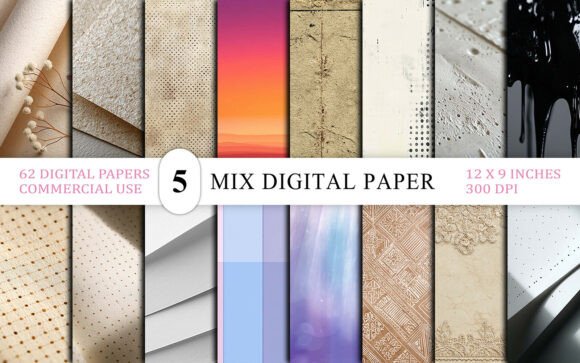
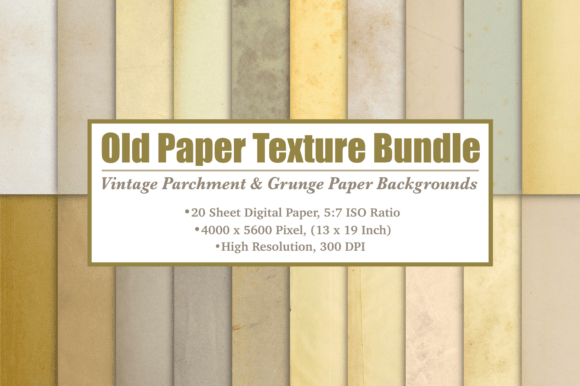
When evaluating design assets like this Vintage Old Paper Texture Bundle, it is essential to look past the novelty of "vintage" and assess the actual utility of the texture. These twenty sheets are not merely brown rectangles; they possess complex visual data. The warm, natural tones range from deep sepia to faded cream, providing a neutral yet character-rich canvas. In editorial design and publishing, this specific color temperature reduces eye strain compared to pure white backgrounds while maintaining sufficient contrast for body text. The grunge elements are distributed organically rather than repetitively, which prevents the background from competing with foreground elements like typography or photography.
For those working in brand identity or packaging design, the personality of these textures communicates reliability and heritage. Unlike modern typography or sleek sans serif fonts that suggest innovation and speed, an aged paper background signals tradition, craftsmanship, and longevity. When paired with a classic serif font or a delicate script font, the texture amplifies the intended message. It creates a cohesive visual hierarchy where the background supports the content without overwhelming it. This balance is critical in logo design and marketing materials where readability must coexist with aesthetic appeal.
Technical Specifications for Professional Output
Creative professionals understand that resolution dictates application. A common pitfall with digital texture packs is insufficient pixel density, leading to banding or pixelation when scaled for print. This bundle addresses that limitation directly. Each file measures 4000 x 5600 pixels at 300 DPI, translating to a physical size of 13x19 inches. This specification makes the assets genuinely versatile:
- Large Format Printing: The dimensions comfortably cover standard art prints, book covers, and poster designs without requiring upscaling algorithms that degrade quality.
- Digital Planners and Tablets: The 5:7 ISO ratio aligns well with popular tablet aspect ratios, making these ideal for digital scrapbooking or planner backgrounds in apps like Procreate or GoodNotes.
- Web and Social Media: While large enough for print, the files can be cropped or resized for social media graphics and web design headers without losing the intricate grain details that sell the illusion of real paper.
The inclusion of two bonus vintage clipart files in both SVG and JPG formats further extends usability. Vector-based SVGs allow for infinite scaling in Illustrator or Canva, perfect for creating custom tags, ephemera, or decorative flourishes that match the paper’s aesthetic perfectly.
Practical Applications Across Creative Disciplines
The true value of a premium font or texture asset lies in its adaptability. This bundle serves multiple niches, each with distinct requirements for how the background interacts with other design elements.
Junk Journaling and Scrapbooking
In the analog crafting community, sourcing genuine vintage paper can be expensive and inconsistent. These printable papers offer a reliable alternative. Crafters can print them at home on matte cardstock to create layered journal spreads. The high resolution ensures that even when printed on consumer-grade inkjet printers, the texture retains its depth. Digital scrapbookers benefit equally, using the layers to build composite images that feel hand-assembled rather than digitally manufactured.
Editorial and Book Cover Design
For publishers and self-published authors, cover design is a primary marketing tool. Historical fiction, memoirs, poetry collections, and academic texts often require a backdrop that suggests substance. Using one of these textures as a base layer allows designers to experiment with blending modes. Multiplying a textured overlay onto a solid color block, or placing type directly onto the parchment, creates an immediate genre association. The texture acts as a silent communicator of the book's tone before the reader processes the title.
Branding and Commercial Projects
Small business owners in niche markets—such as artisanal bakeries, antique dealers, wedding photographers, or heritage brands—often struggle to convey their ethos through digital channels. Standard white backgrounds can feel too corporate. Integrating these aged textures into website banners, email newsletters, or product packaging inserts adds a layer of sensory branding. It transforms a transactional touchpoint into an experiential one. When designing business cards or thank-you notes, printing on actual textured stock is ideal, but for digital proofs and mockups, this bundle provides an accurate representation of the final tactile experience.
Integrating Textures with Typography and Layout
Using a textured background requires thoughtful typographic choices to maintain professionalism and legibility. The interaction between the typeface and the paper grain determines the success of the design.
When selecting a creative font to pair with these backgrounds, consider weight and spacing. Thin, lightweight serif fonts may get lost in the darker areas of the grunge texture. Opting for a bolder display font or increasing the tracking (letter-spacing) on handwritten fonts can improve readability. Conversely, if you are using a dense block of body text, ensure the area of the paper behind it is relatively uniform. You may need to apply a subtle solid fill layer with reduced opacity between the texture and the text to boost contrast.
Font pairing becomes an exercise in balancing eras. A modern sans serif font placed over antique parchment creates an interesting tension, suitable for contemporary brands referencing tradition. Alternatively, pairing the texture with a period-accurate typeface reinforces historical authenticity. Always test your combinations at actual size; what looks readable on a zoomed-in monitor may become illegible when printed or viewed on a mobile device.
Workflow Integration and File Management
Ease of use is just as important as visual quality. The Vintage Old Paper Texture Bundle is delivered as a ZIP file containing JPGs, ensuring broad compatibility across software ecosystems. Whether you are using Adobe Photoshop for advanced compositing, Illustrator for vector integration, Canva for quick social media layouts, or Procreate for digital illustration, the workflow remains streamlined.
For iPad users and mobile creators, the ability to extract ZIP files directly on-device means you can incorporate these textures into projects while away from your desk. This portability is significant for content creators who document their process or design on the go. Since no watermark is included, the files are ready for immediate commercial or personal use without additional editing steps to remove branding artifacts.
It is worth noting that while these files are print-ready, the final output depends heavily on your printer settings and paper choice. To maximize the vintage effect, avoid glossy photo paper. Matte, uncoated, or recycled paper stocks absorb ink in a way that mimics the original aged source material. Adjusting your printer profile to "matte" or "plain paper" can prevent the oversaturation that sometimes occurs when printing textured backgrounds designed to look old.
Ultimately, this bundle represents more than just a set of digital files; it is a toolkit for evoking emotion through visual texture. By understanding the technical parameters and applying design principles regarding hierarchy and pairing, creators can leverage these assets to produce work that feels intentional, professional, and enduring. Whether you are designing a wedding invitation suite, laying out a zine, or refreshing a brand’s visual identity, the right background sets the stage for everything that follows.