Bride to Be Wine Glass Topper: 3D Print STL File
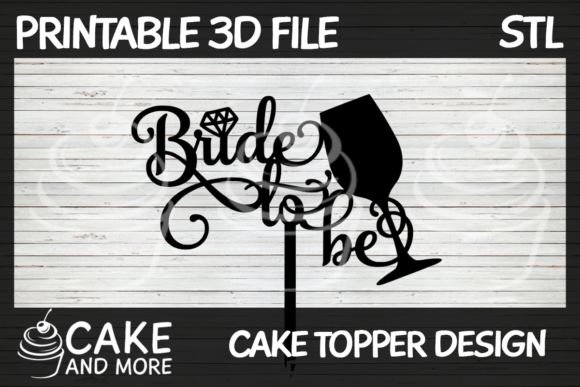
Celebrating an upcoming wedding often involves finding the perfect balance between elegance and fun. The Bride to Be Wine Glass Topper serves as a versatile digital asset designed specifically for 3D printing enthusiasts and event planners who want to create custom decor. This STL file features a stylish script font integrated with a dazzling diamond ring graphic and a festive wine glass silhouette, making it an ideal centerpiece for bachelorette parties, bridal showers, and engagement celebrations. Because this is a digital product, users receive instant access to the design files rather than a physical item, allowing for immediate creativity and customization.
Understanding the Digital Design Asset
At its core, this product is a 3D model file formatted for additive manufacturing. Unlike traditional cake toppers purchased from party supply stores, this Bride to Be Wine Glass Topper exists as data until you decide to bring it into the physical world. The design combines three distinct visual elements: typography, iconography, and thematic symbolism. The script font offers a classic bridal aesthetic, while the wine glass and ring graphics anchor the design in the specific context of a pre-wedding celebration.
For those new to 3D printing or digital fabrication, it is important to understand that the value here lies in flexibility. You are not locked into a specific color, size, or material. The STL format is universally compatible with most slicing software, meaning whether you use Cura, PrusaSlicer, or Bambu Studio, the file will integrate seamlessly into your workflow. This digital-first approach shifts the focus from consumption to creation, empowering users to tailor the final object to their specific event needs.
Perspectives for Hobbyists and Beginners
For individuals just starting their 3D printing journey, this topper represents an excellent low-stakes project. Wedding decor can sometimes be intimidating due to the pressure for perfection, but the relatively small footprint of a cake or cupcake topper makes it manageable. Beginners can use this design to practice essential skills such as bed adhesion, support generation, and post-processing without wasting significant amounts of filament or resin.
The design’s combination of thin script and solid graphical elements provides a practical learning opportunity. Printing the delicate loops of the script font teaches users about cooling settings and print speed management, while the solid wine glass base allows for experimentation with infill patterns and wall thickness. If a print fails, the material loss is minimal compared to larger functional prints. This makes the Bride to Be Wine Glass Topper a safe sandbox for developing technical proficiency while still producing a usable, celebratory item.
Value for Small Business Owners and Creators
Etsy sellers, local event decorators, and freelance designers view this STL file through a different lens: commercial viability and inventory management. Physical inventory requires storage space, upfront capital, and shipping logistics. By utilizing a digital file like this Bride to Be Wine Glass Topper, business owners can operate on a made-to-order basis. This significantly reduces overhead and eliminates the risk of unsold stock sitting on shelves after the wedding season ends.
Customization is another critical factor for professionals. A client might request the topper in rose gold PLA to match their color scheme, or they may need a scaled-down version for cupcakes rather than a full-sized cake. With the source file, these adjustments take minutes in slicing software rather than requiring a new manufacturing run. For creators selling finished goods, the ability to offer personalized variations quickly can be a key differentiator in a crowded market. However, professionals must always verify the licensing terms associated with the STL file to ensure commercial use is permitted, maintaining ethical business practices and respecting intellectual property.
Technical Considerations for FDM and Resin Printing
The choice between Fused Deposition Modeling (FDM) and resin printing significantly impacts the final presentation of the Bride to Be Wine Glass Topper. Each technology serves different priorities regarding quality, speed, and ease of use.
- FDM Printing: Best for durability and cost-efficiency. FDM printers using PLA or PETG produce a topper that is sturdy enough to be reused or kept as a keepsake. While layer lines may be visible, they can add a charming, handmade texture appropriate for rustic or boho-themed weddings. FDM is generally faster for single-color prints and requires less toxic post-processing.
- Resin Printing: Ideal for intricate detail and smooth finishes. If the priority is capturing the finest curves of the script font and the sharp edges of the diamond graphic, resin is superior. The surface finish mimics injection-molded plastic, providing a professional look right off the build plate. However, resin requires careful washing, curing, and safety precautions, making it better suited for users with established workflows.
Experienced makers might also consider multi-color printing techniques. Using an FDM printer with a color-changing pause at a specific layer height allows the text to be printed in white while the base remains clear or gold, creating visual contrast without the need for painting. This technique adds complexity but elevates the perceived value of the final piece.
Evaluating Suitability for Your Project
Determining whether this Bride to Be Wine Glass Topper aligns with your goals requires an honest assessment of your resources and timeline. While the digital nature of the product suggests immediacy, 3D printing still requires time for setup, printing, and finishing.
If you are a consumer looking for a last-minute decoration for a party happening tomorrow, purchasing a physical topper may be more practical unless you already own a tuned printer and have materials on hand. Conversely, if you are planning an event weeks or months in advance, the digital route offers unmatched personalization. You can prototype different sizes, test colors against table linens, and even create matching favors using the same design language.
For educators and workshop leaders, this design serves as a relevant, real-world example for teaching CAD modification or slicer settings. Students engage more deeply when the project has tangible social value. Modifying the topper to change the font or adjust the stem width provides concrete lessons in parametric design and mesh editing. In this context, the Bride to Be Wine Glass Topper is not just a decoration; it is a pedagogical tool that bridges technical skills with creative expression.
Maximizing Long-Term Usefulness
Beyond the immediate celebration, digital assets offer long-term utility that physical items cannot. Once you have acquired and successfully printed this topper, the file remains in your library for future use. Perhaps a friend gets engaged next year, or you decide to start a side business creating event decor. The initial investment continues to yield returns over time.
Furthermore, owning the STL encourages sustainable practices. Instead of buying single-use plastic decorations that end up in landfills, you can print exactly what is needed using biodegradable PLA or recyclable materials. If the topper breaks during transport, you can simply reprint it rather than discarding the entire purchase. This shift toward on-demand, localized manufacturing reflects a growing preference among modern consumers and creators for responsible, adaptable solutions.
Ultimately, the Bride to Be Wine Glass Topper is more than a festive accessory; it is a gateway to personalized fabrication. Whether you are a hobbyist refining your skills, a business owner optimizing your catalog, or a bride-to-be seeking a unique touch for your shower, this digital design adapts to your specific context. By understanding the technical requirements and aligning them with your personal or professional objectives, you can transform a simple STL file into a meaningful part of any celebration.